Virtual vs Physical Home Staging: The Pros & Cons
Virtual staging transforms photographs; physical staging carries that experience into the viewing. Explore the benefits and limitations of each approach for an empty property.
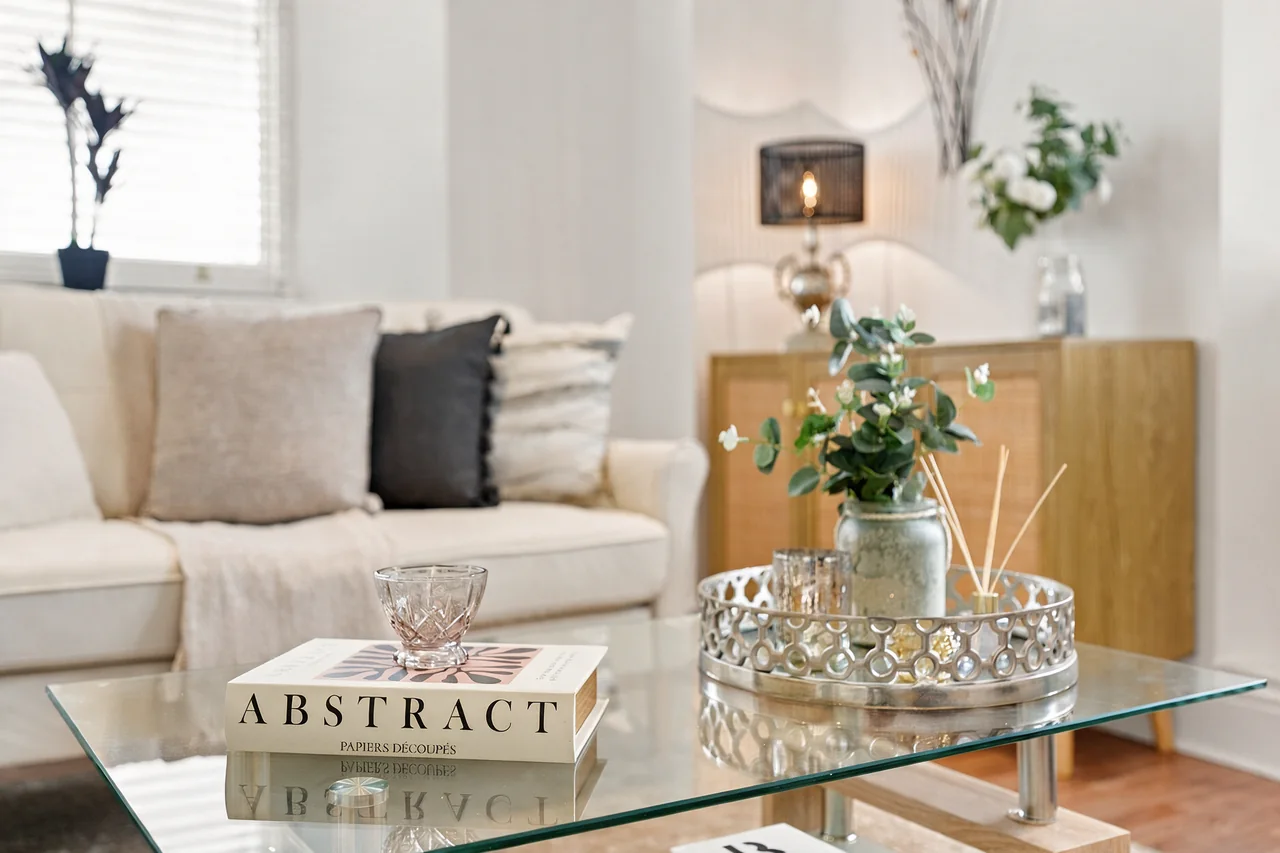
If you’re selling an empty property, you’ve probably wondered how much difference staging could really make.
Empty rooms can often feel smaller, colder and harder to imagine living in. Staging helps solve that problem by showing buyers how a space could look and, more importantly, how it could feel as a home.
But today, sellers have two main options: virtual AI staging or physical home staging.
Virtual AI staging digitally adds furniture and accessories to photographs of an empty property. Physical staging involves bringing real furniture, artwork and accessories into the home before it is photographed and marketed.
Both have their place. So, which is right for your property?
What Are the Benefits of Virtual Staging?
One of the biggest advantages of virtual home staging is cost.
Because no physical furniture needs to be delivered, installed or rented, virtual staging will usually cost considerably less than physically staging a property.
It can also be quick. Images of an empty room can be digitally transformed into attractive, furnished spaces without needing to organise furniture deliveries or installation.
This can make virtual staging particularly useful when a seller simply wants to improve the appearance of an empty property within its online property listing.
There’s also plenty of flexibility. Different interior styles can be created digitally, helping sellers present a property in a way that appeals to their likely target buyer.
The Pros of Virtual Staging
- Generally cheaper than physical staging
- Quick to produce
- No furniture delivery or removal required
- Can make empty rooms more appealing in online photographs
- Different interior styles can be created easily
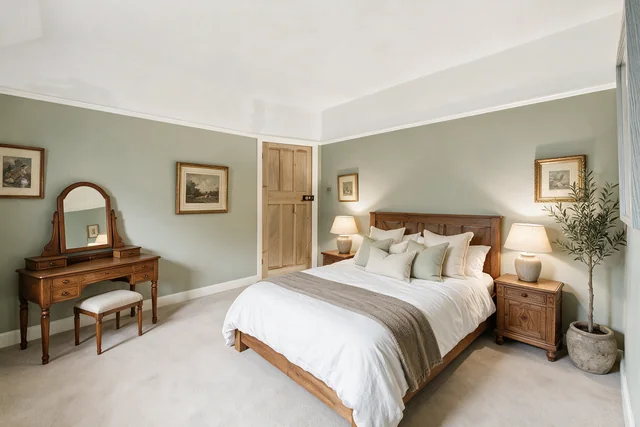
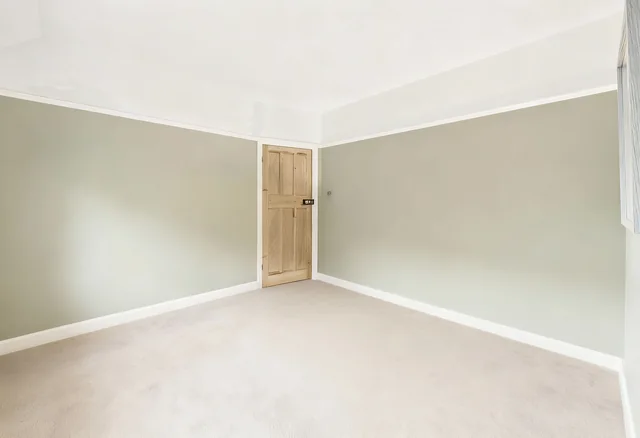
What Are the Downsides of Virtual Staging?
Virtual staging has one fairly significant limitation:
It only exists in the photographs.
A buyer may fall in love with a beautifully furnished living room on Rightmove or Zoopla, only to arrive at the viewing and find a completely empty space.
That difference between expectation and reality can affect the viewing experience.
Physical furniture also gives buyers something digital staging cannot: a genuine sense of scale.
Is there enough room for a double bed and bedside tables? Can you fit a dining table comfortably into that space? Where would the sofa actually go?
Seeing real furniture in a room can answer those questions immediately.
There is also the risk of overdoing virtual staging. If digitally created interiors look unrealistic or make rooms appear larger than they really are, buyers may feel disappointed when they visit.
Good virtual staging should therefore enhance a property without misrepresenting it.
What Are the Benefits of Physical Home Staging?
With physical home staging, the experience buyers see online continues when they arrive at the property.
The sofa really is there. The dining table shows how the kitchen can work. The spare room demonstrates that there genuinely is space for a bed, desk or both.
This can be particularly valuable in an empty property, where buyers are otherwise faced with blank rooms and have to do all the imagining themselves.
Professional home staging isn't simply about filling a house with attractive furniture either.
Done properly, staging considers the target buyer, the property's layout and how each room should be used. Furniture, artwork, lighting, soft furnishings and accessories can then work together to create a clear lifestyle.
And because the property is physically staged, your estate agent can use it across professional photography, property videos, social media content and viewings.
The Pros of Physical Staging
- Creates impact both online and during viewings
- Helps buyers understand room sizes and layouts
- Makes empty properties feel warmer and more inviting
- Creates a consistent experience from photographs to viewing
- Helps buyers visualise themselves living in the property
- Can highlight the purpose of awkward or less obvious spaces
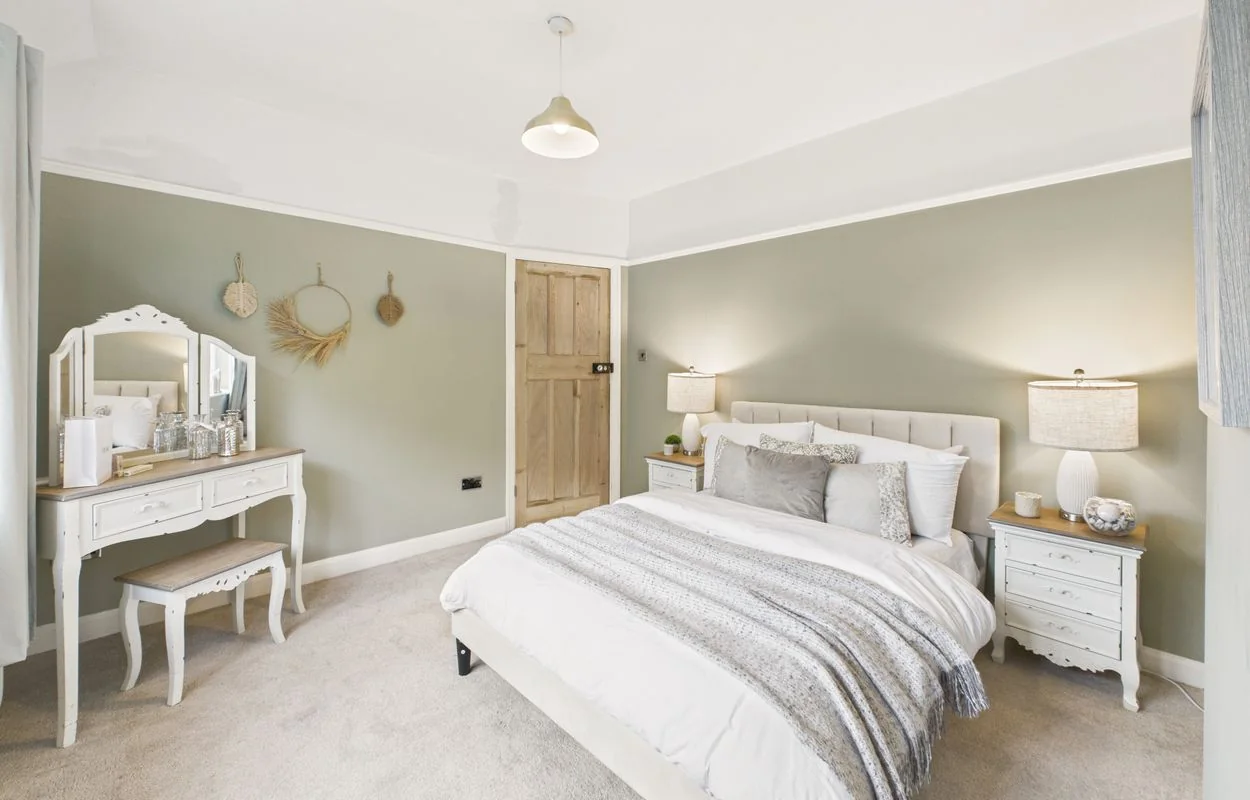
Are There Any Downsides to Physical Staging?
Of course.
Physical staging costs more than virtual staging because you're hiring real furniture and accessories, together with the expertise, transportation and installation required to create the finished look.
Check out The Cost vs The Benefit of Home Staging in the UK Market
It also requires some planning.
Furniture needs to be selected for the individual property, delivered and installed before photography takes place.
For sellers working with a very limited budget, virtual staging may therefore be the more practical option.
The important question isn't simply "Which type of staging is cheaper?"
It's "What does this property need to help it sell?"
Virtual Staging vs Physical Staging: Which Should You Choose?
There's no single answer for every property.
If your main objective is to make photographs of an empty home more attractive while keeping costs as low as possible, virtual property staging can be a useful marketing tool.
But if you want buyers to experience the same welcoming, aspirational home they saw online when they arrive for a viewing, physical home staging has a clear advantage.
Think about the property itself, too.
Are some rooms difficult to understand when empty? Is the layout unusual? Does the home need more warmth or character? Are you trying to demonstrate a particular lifestyle to your ideal buyer?
If so, physically staging the property could make a much bigger difference.
It’s About Helping Buyers See the Potential
Ultimately, both virtual and physical staging have the same objective: helping potential buyers see what an empty property could become.
The difference is where that experience ends.
Virtual staging can transform what buyers see on their screen. Physical staging carries that transformation through the front door and into the viewing itself.
At House of Arden, we physically stage properties across Worcestershire and the West Midlands, creating interiors specifically designed around the property and the buyers most likely to fall in love with it.
Because when someone walks through the door, we don't just want them to see an empty house with potential.
We want them to imagine coming home.