8 Benefits of Staging in a Slow Market
When buyer confidence dips and competition rises, presentation becomes your most powerful tool. Here's why home staging matters even more when the market slows down.
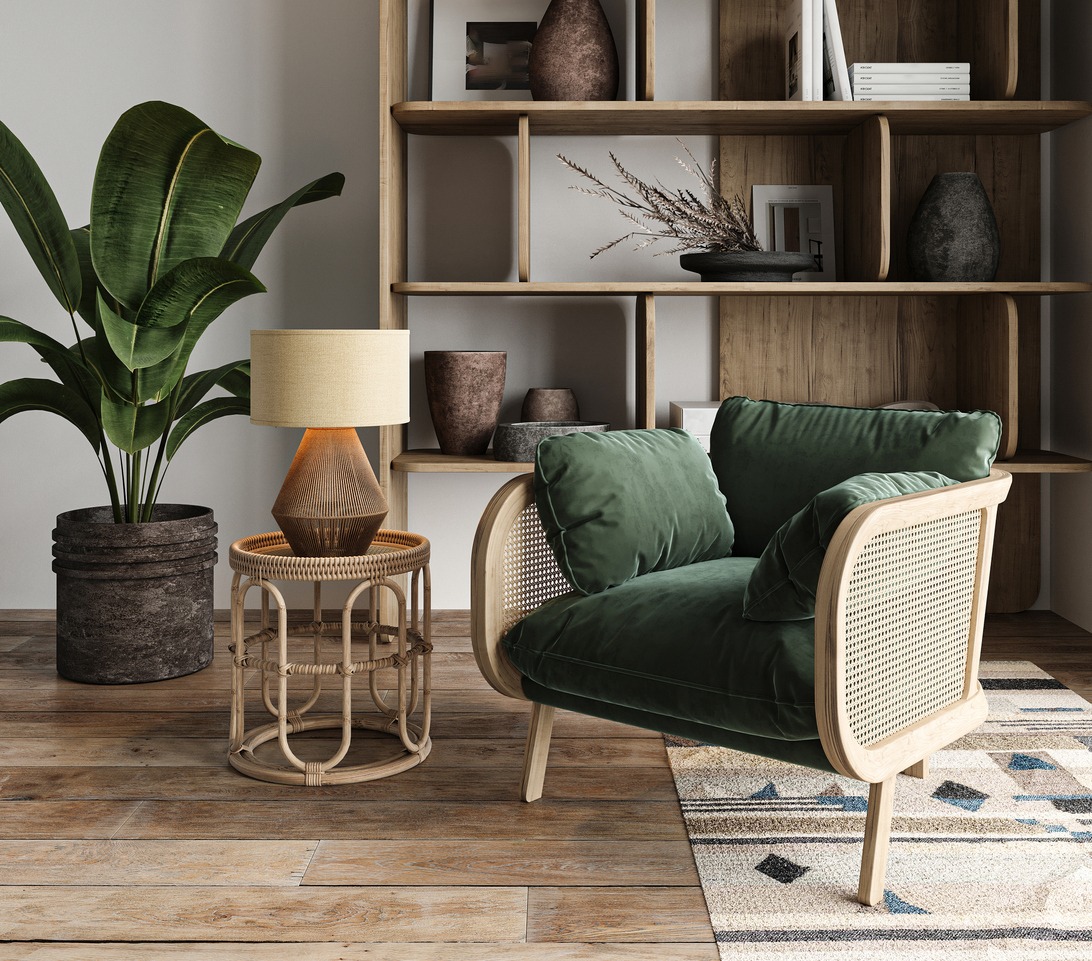
When the property market slows down, sellers, developers and property owners often face the same question:
"How do we make our property stand out?"
In a busier market, homes can sometimes sell quickly simply because demand is high. But when buyer confidence dips, mortgage rates fluctuate or there are simply more properties competing for attention, presentation suddenly becomes far more important.
This is where home staging can make a real difference.
A professionally staged property doesn't just look attractive — it helps create an emotional connection, improves marketing and can influence how buyers perceive value. In a slower market, those advantages become even more powerful.
So, what are the real benefits of staging when the market feels more challenging?
1. Your Property Stands Out Online
Before buyers ever book a viewing, they're scrolling.
Property portals and social media have changed how homes are discovered, with buyers often making snap decisions based on photographs alone. In a slower market, where competition is higher and attention spans are shorter, first impressions online matter enormously.
Empty properties can appear cold or difficult to understand in photographs, while cluttered homes may distract from the space itself. A staged home feels balanced, aspirational and visually engaging, helping listings attract more clicks and enquiries.
Good property marketing starts with stopping the scroll.
2. Staged Homes Create Stronger Emotional Connection
Buying property is rarely a purely logical decision.
Of course, buyers consider budgets, locations and practical needs, but emotion often drives the final decision. People want to walk into a property and instantly picture themselves living there.
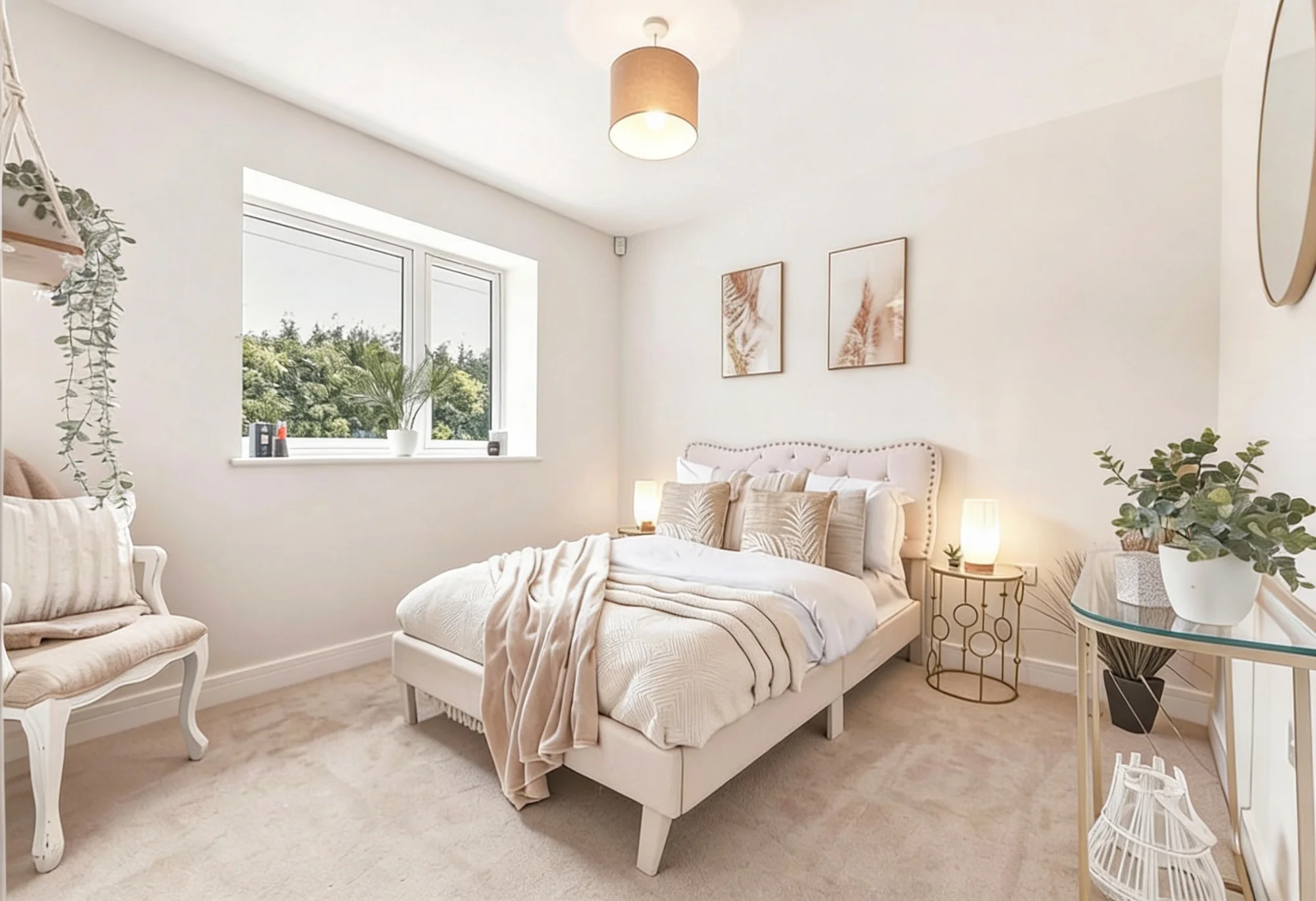
Home staging helps create this feeling. A cosy lounge, a welcoming dining space or a calming bedroom allows buyers to imagine their future lifestyle inside the home. That emotional connection is often what turns interest into serious offers.
And in a slower market, creating that feeling quickly becomes even more important.
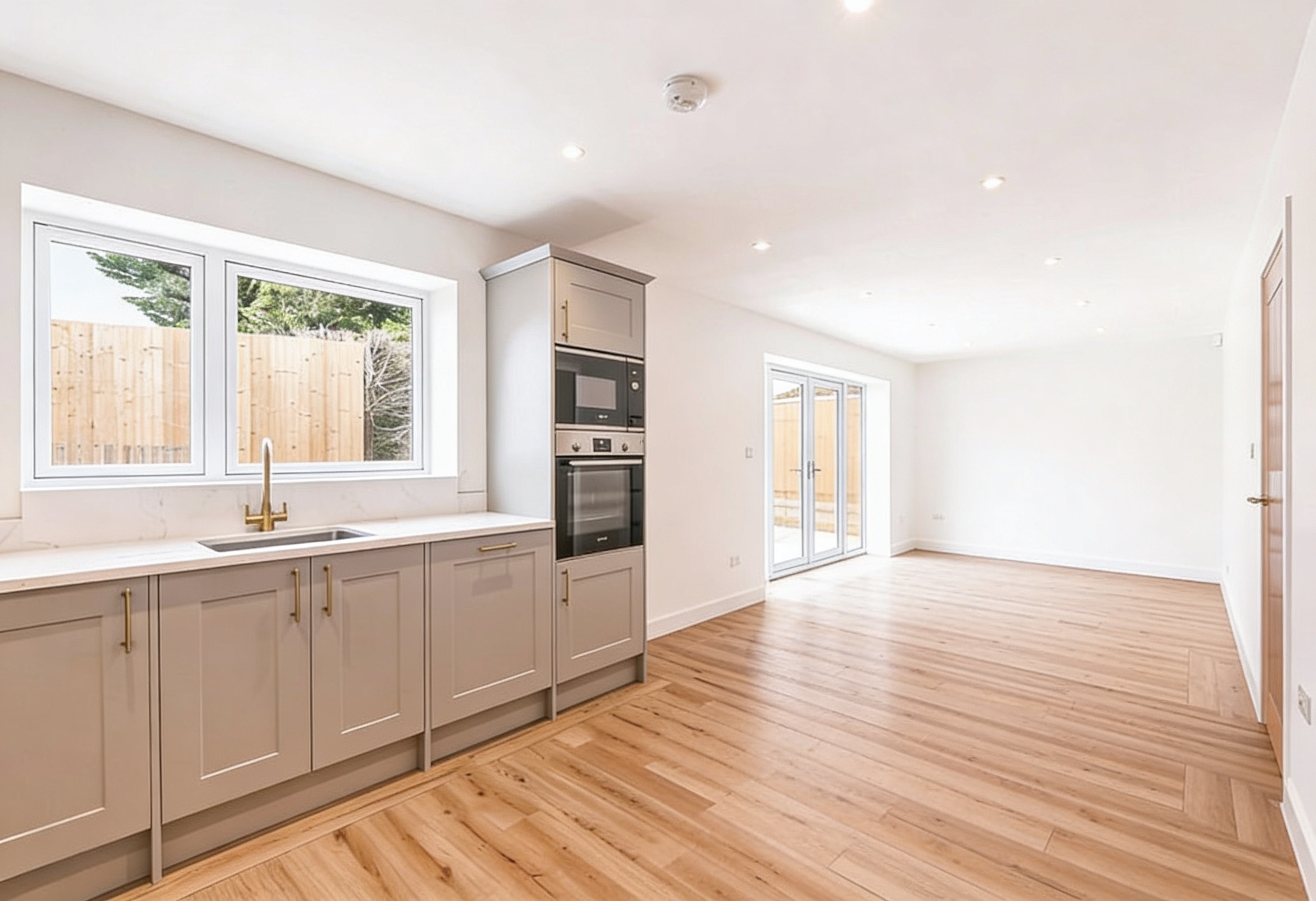
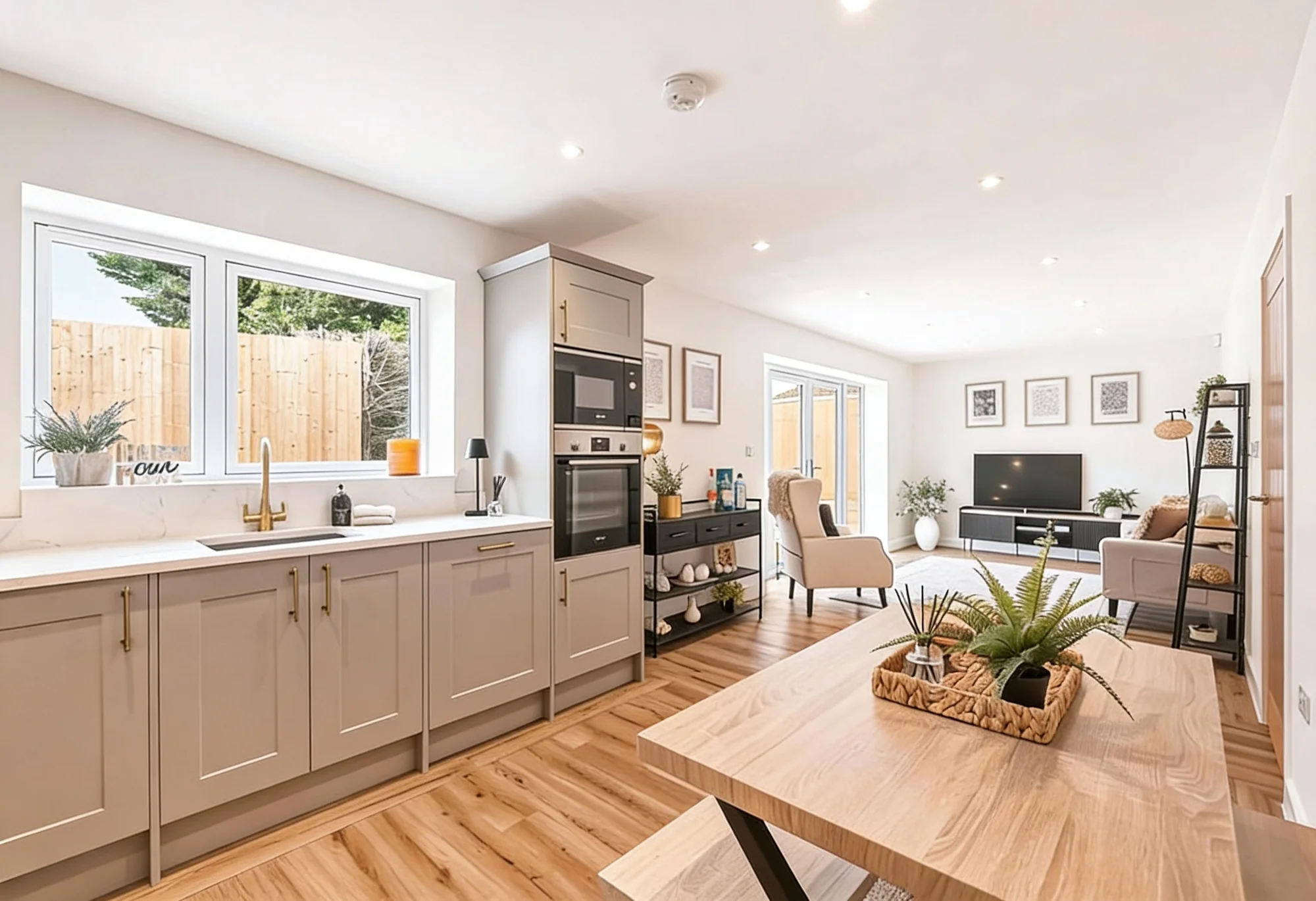
3. Buyers Understand the Space Better
One of the biggest challenges with vacant or awkward properties is that buyers sometimes struggle to understand how rooms should work.
A spare bedroom can feel purposeless. Large open-plan areas may appear overwhelming. Smaller rooms can seem impractical.
Home staging solves this problem by giving every area a clear role. A home office, guest bedroom or reading corner instantly helps buyers understand how the property functions and how it could fit around their own lifestyle.
Buyers don't simply want square footage — they want clarity.
4. Staging Helps Properties Feel More Valuable
Presentation influences perception.
It's human nature. Two similar homes can feel completely different in value depending on how they are presented. A thoughtfully staged property often feels more premium, more cared for and better maintained than an empty one. Buyers naturally associate quality presentation with quality living.
This doesn't mean staging artificially inflates value. Instead, it helps buyers appreciate the full potential of the property, rather than focusing on empty rooms or minor imperfections.
And that perception can influence both viewing levels and offers.
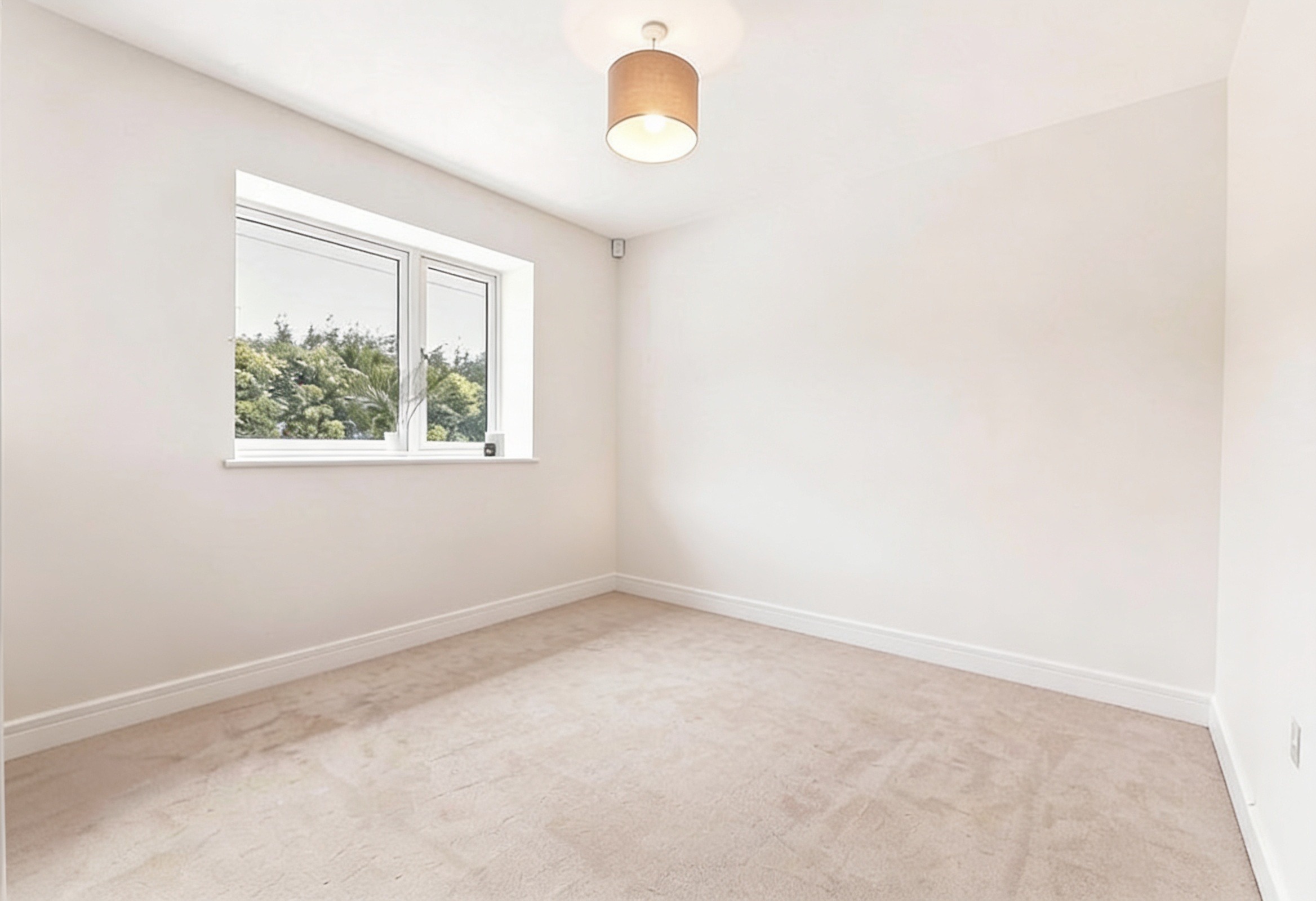
5. It Can Reduce Time on the Market
Slow markets often mean longer selling times.
Unfortunately, the longer a property sits unsold, the greater the risk of price reductions or buyers assuming something is wrong. One of the major benefits of home staging is that it helps create momentum.
Professionally staged homes often generate stronger early interest, encouraging viewings and conversations before a listing begins to feel stale. Increased attention can help reduce time on the market and improve the overall selling experience.
In property, momentum matters.
6. Staging Can Help Protect Asking Price
Price reductions are common in slower markets, but they're not always the first answer.
Sometimes improving presentation can have a greater impact than lowering the price. When buyers emotionally connect with a home and perceive it as well presented and desirable, they're often less focused on negotiating aggressively.
Staging helps position the property more positively, allowing sellers to protect value wherever possible. Rather than competing purely on price, staged homes compete on appeal.
7. It Helps Buyers See Lifestyle — Not Just Rooms
Modern buyers are increasingly influenced by lifestyle.
They aren't just looking for a lounge or kitchen — they're imagining family dinners, working from home, entertaining friends or relaxing at the end of a busy day.
This is why staging works so effectively. Thoughtful furniture layouts, accessories and styling details help transform empty spaces into places buyers can emotionally relate to. It's about creating atmosphere and aspiration without making the property feel unrealistic.
The most memorable homes are often the ones that tell a story.
8. Staging is an Investment, Not Simply a Cost
It's understandable that some sellers initially view staging as an additional expense.
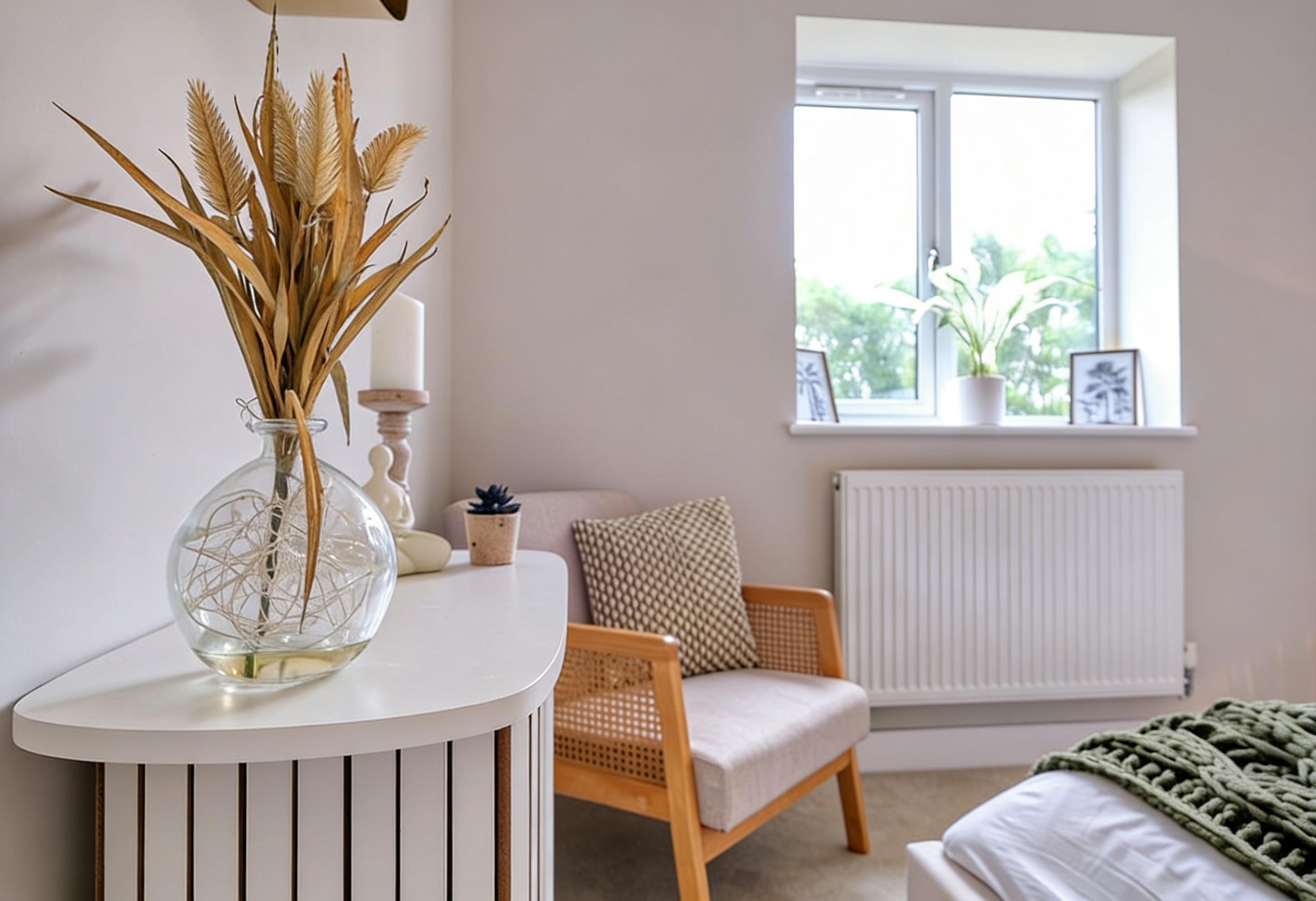
But in reality, home staging is often better viewed as part of the wider property marketing strategy. A property that attracts more attention, photographs beautifully, creates stronger emotional connection and potentially sells faster may deliver a return far beyond the initial investment.
In slower markets particularly, presentation can become one of the most powerful tools available to help a property compete.
Final Thoughts
A slower market doesn't mean properties stop selling.
It simply means presentation, marketing and buyer psychology matter more than ever. Home staging helps properties stand out online, creates emotional connection, improves buyer understanding and can support stronger interest when competition is high.
Because ultimately, buyers don't just purchase bricks and mortar.
They buy the feeling a home gives them.
And in a challenging market, that feeling can make all the difference.